Comfort pattern
Record room temperatures and complaints against time and outdoor conditions.

Heat-pump controls & optimisation
If your home feels wrong or electricity use seems high, FLO can review the settings and system behaviour before recommending changes.
Tell us what is happening with your system. FLO will get back to you about the next step.
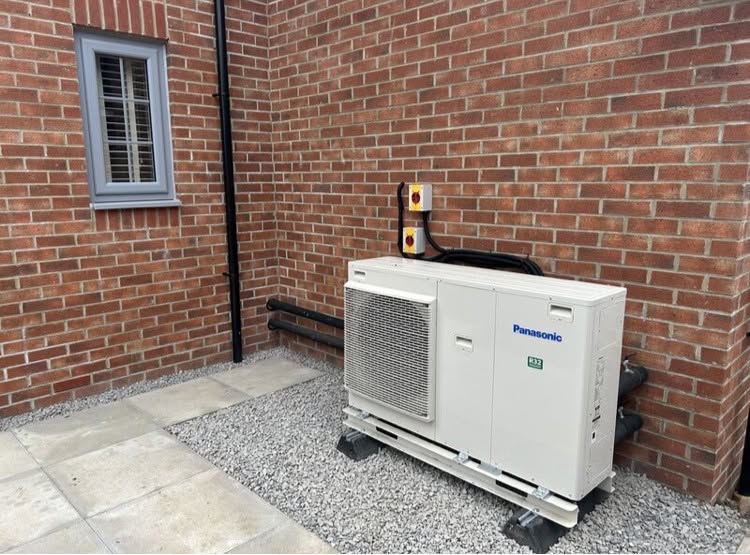
The answer you need
Often, but only after checking the system and building. Weather compensation, schedules, set points and zone behaviour should be adjusted from evidence and then monitored, not changed repeatedly by guesswork.
The property-specific checks
We use these details to work out what is practical, what needs more investigation and what the next step should be.
Record room temperatures and complaints against time and outdoor conditions.
Review weather curve, schedules, thermostats, zones and hot-water priority together.
Check flow temperatures, run time, cycling and backup heat before optimising.
The next step with FLO
Describe the fault or performance issue first. FLO will discuss the appropriate checks and any proposed work with you before you decide.
Good to know
Long steady operation can be normal. The useful question is whether it maintains comfort efficiently without excessive cycling or backup heat.
The best schedule depends on heat loss, emitter response, tariff and comfort. Large temperature setbacks can create inefficient recovery for some systems.
Allow enough time and comparable weather to see a pattern. Record one controlled change at a time wherever practical.
Controls cannot compensate for an undersized emitter, hydraulic fault or unsuitable system design. Those findings should lead to corrective work, not increasingly extreme settings.
Talk to FLO
Have a question about an existing system? Tell FLO what is happening and we'll point you to the right next step.